Great link for watching this tremendous film in bits….or the full-length feature in its original 3 hour block. Including one of the original article/interviews with Ian at the time (Fall, 2003).
The controversial Gospel of John has been filmed for the big
screen – without offending Jewish opinion. Damian Thompson meets its
star
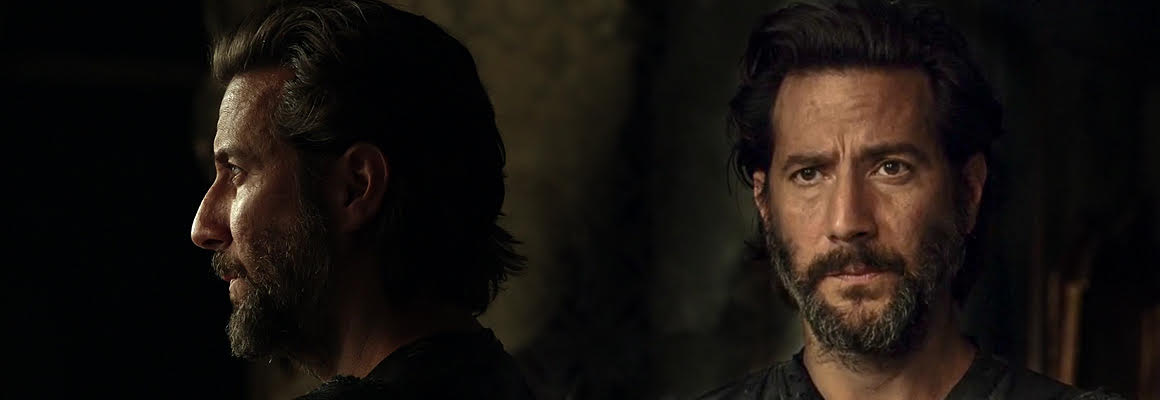
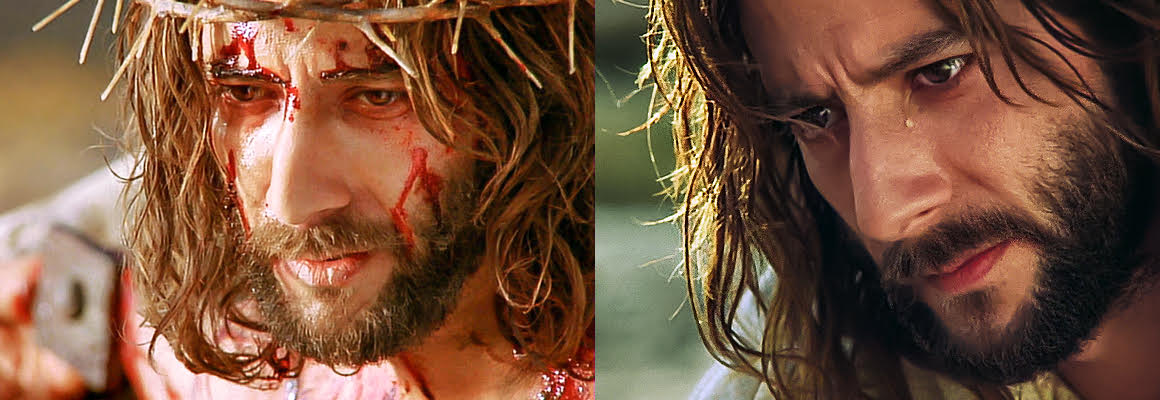
Henry Ian Cusick: ‘When I came out of the trailer wearing a crown of thorns, the whole set went quiet’
Damian Thompson
12:01AM GMT 13 Nov 2003
When I last saw Jesus, he was showing the
wounds of his crucifixion to his disciples. Now he is leaning across the
counter of Starbucks, craning to read the menu. “I’ve got a bit of a
stomach upset, so I’ll have a mineral water,” he says.
It’s
a peculiar experience, meeting someone in a London coffee bar after
you’ve watched him heal the crippled and rise from the dead. The beard
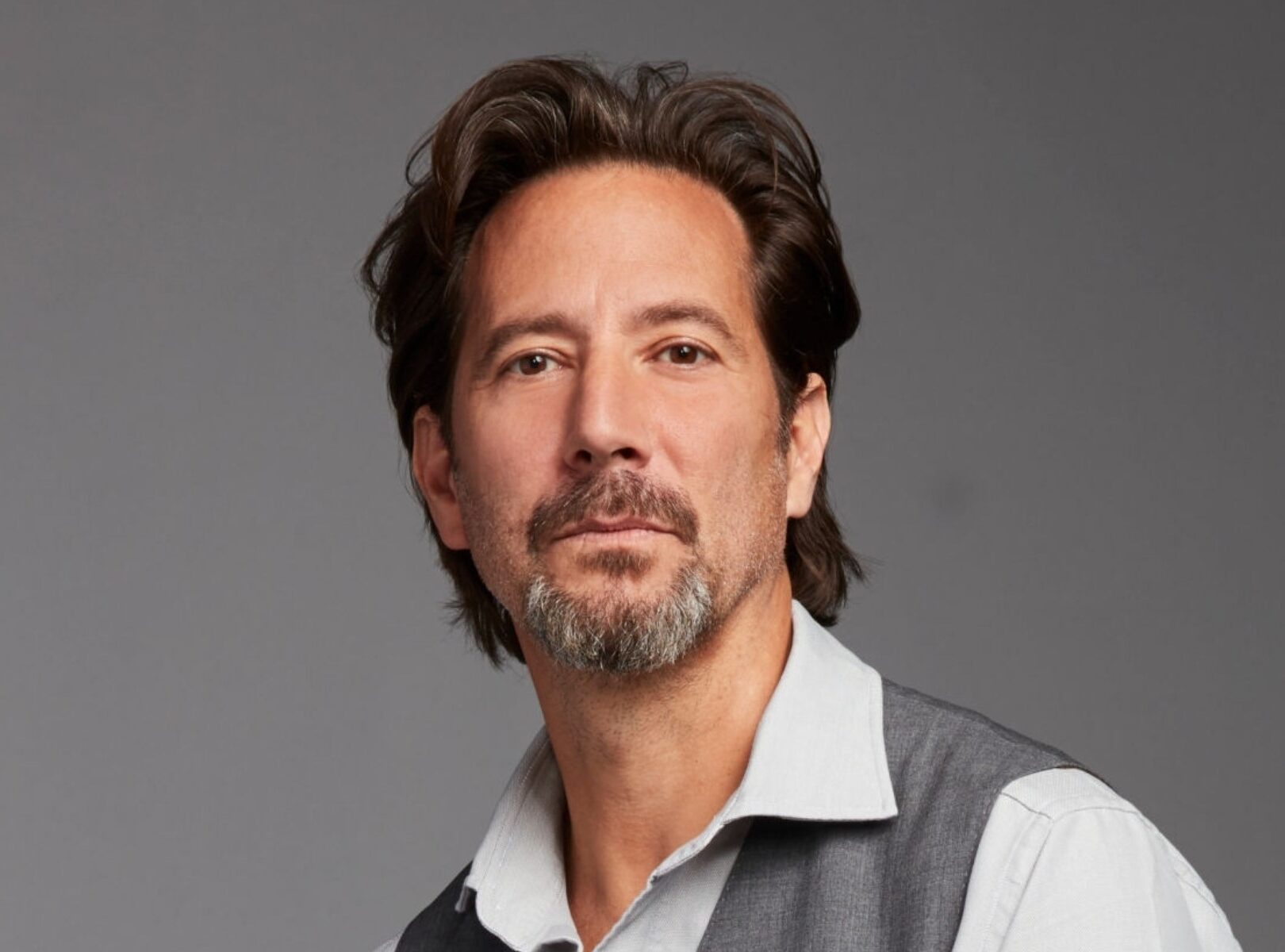
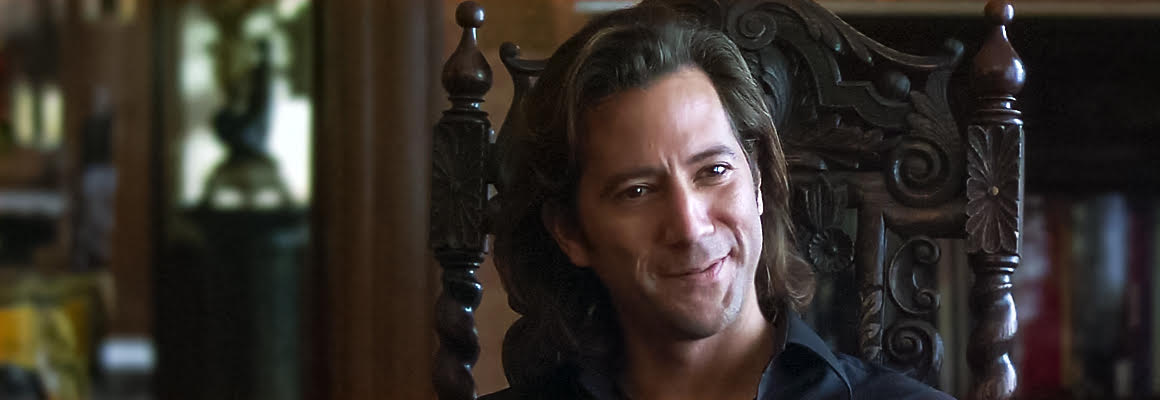
is gone, the hair untangled, but it’s still unmistakably Him.
Henry
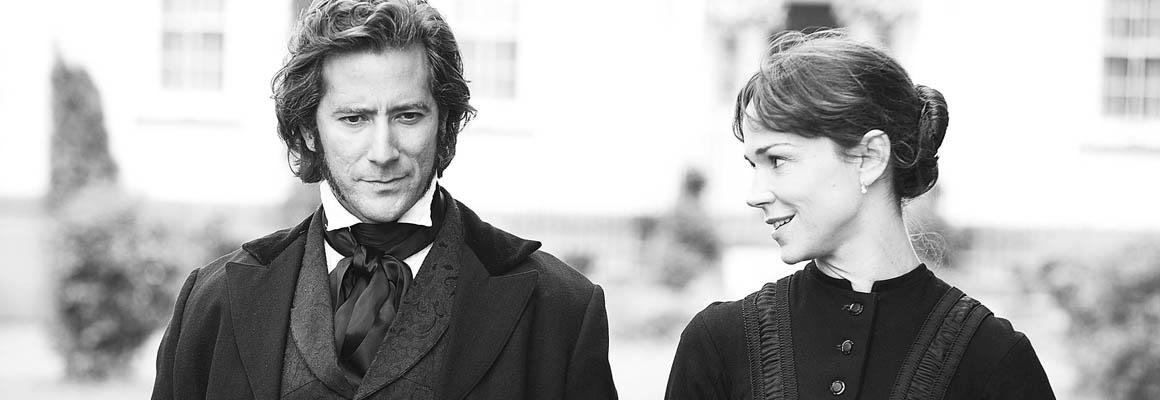
Ian Cusick is the British star of The Gospel of John, a film of the
fourth gospel that has just gone on release in America and Canada. It
was made for a fraction of the cost of Mel Gibson’s forthcoming Passion
of Christ, though, in the long run, it could attract bigger audiences.
Visual Bible, a Toronto-based Christian company, commissioned this
word-for-word dramatisation as an evangelistic tool. A similar exercise
in the 1970s, a version of Luke’s gospel known as the Jesus film, has
been seen by more people than any movie in history.
But
here’s the remarkable part. While reports of Gibson’s Passion have
deeply alarmed the Jewish community, The Gospel of John has been given a
clean bill of health by the Jewish Anti-Defamation League. The film’s
Canadian producer, Garth Drabinsky, is Jewish, as are many of the
executives working on the project. Two Jewish scholars sat on its
advisory board.
That is quite a feat
of inter-faith diplomacy, given that John’s gospel – with its emphasis
on the role of the religious authorities in Jesus’s death – has
traditionally been a happy hunting ground for anti-Semites. Moreover,
Visual Bible’s insistence on the full, uncorrupted text meant that there
could be no excision of inconvenient verses. “If we left out so much as
a preposition, they could sue us,” says Philip Saville, the film’s
director, best known for Boys from the Black Stuff. Hence the choice of a
stage actor to play Jesus. “We’re better at learning our lines than
film actors,” explains Cusick. Not since Alec McCowen’s live recitation
of Mark’s gospel has a performer had to acquire such word-perfect
mastery of scripture. “It kept me in my trailer while the disciples were
out having fun,” he says. “When I emerged, they would go, ‘Hey, JC, how
are you doing today?’ I would have loved to hang out with them more,
but there just wasn’t time.”
The outdoor
scenes were shot in the scrubland of southern Spain. “Oh, man, walking
those distances in sandals,” says Cusick. “The disciples and I kept
leaning on each other, saying: ‘Bloody hell, this is uncomfortable.’ The
stones got in right here.” He lifts a crocodile-skin boot to show me.
The
extras were Spanish gypsies. “They would bow slightly when I walked
past, as if I really was Christ,” recalls Cusick. “And on the day of the
crucifixion, when I came out of the trailer wearing a crown of thorns,
the whole set went quiet. It was eerie. The gypsies were saying, `Ay mi
Jesús’, beating their breasts, and then they broke into song.”
Cusick
could speak to the gypsies in Spanish because he’s half-Peruvian: with
his Andean-high cheekbones, he looks like the Christ of South American
folk art. He was born in Peru, raised in the West Indies and moved to
Scotland when he was 15; his CV is dominated by his work for the Glasgow
Citizens’ Theatre.
He was 33 during the filming: just the right
age. His devoutly Catholic Peruvian mother is delighted by his new role.
“Apparently, the Vatican is being asked to approve the film. My mother
would be so thrilled if I could tell her the Pope had seen me play
Jesus,” he says.
“The whole experience has rubbed off on me, too.
It’s made me think more carefully about who Jesus was. I go to Mass more
often, and when the priest reads from the Gospel of John, I find myself
saying: I know every word of this.”
I ask for a demonstration,
and he drops his voice so that the woman on the sofa next to us can’t
hear. “You are the children of your father, the Devil,” he whispers,
“and you want to follow your father’s desires. From the very beginning
he was a murderer and has never been on the side of truth, because there
is no truth in him.”
John 8:44. How interesting that Cusick
should pick this particular verse. It’s one of the defining moments in
the film, when we realise for the first time that this Jesus – that is,
John’s Jesus, not the parable-telling mystic of the synoptic gospels –
is engaged in a fight to the death with his fellow Jews.
Anti-Semitic
interpretations of the fourth gospel portray it as Jesus versus the
Jews. The Gospel of John sees it as a struggle between Jews. It employs
the Good News Bible translation of the text, in which the 70-odd
references to “the Jews” are rendered as “the Jewish authorities”. The
film also manages to capture the Jewishness of the New Testament milieu –
something missing from Hollywood’s versions of the story. In Saville’s
hands, the marriage feast at Cana is as Jewish as a Brooklyn bar
mitzvah; Mary doesn’t say “my son, the Messiah”, but you can see it in
her eyes.
Such touches have earned the film the praise of critics
from outside its intended Christian constituency. After a quiet opening
in the American Bible Belt, it is now booked for release in New York,
Los Angeles and Washington; negotiations for the British rights are
under way. “You might imagine that people would think twice before
volunteering to see a three-hour biblical epic, but it’s had an amazing
reception. It’s what we call a sleeper,” says Saville.
Garth
Drabinsky hopes the film will make the beliefs of Jews and Christians
more comprehensible to each other. “The Bible can be so dangerous in the
hands of people who want to skew its message,” he says. “This project
puts the Gospel of John in its proper context. It’s not an anti-Semitic
text, but the product of a Jewish world in transition.”
For
Christian audiences, the most unsettling aspect of the film is likely to
prove the character of Jesus. Catholics and Protestants alike are
accustomed to an identikit Christ whose features have been pasted
together from the accounts of all four evangelists. By excluding all the
synoptic material, The Gospel of John highlights the fact that the
Jesus of the fourth gospel is a different person from the Jesus of
Matthew, Mark and Luke.
Cusick brilliantly conveys the strange
charisma of the Johannine Christ. This smiling rabble-rouser is
self-confident and talkative; he knows he is “the way, the truth and the
light”. But these claims raise a thorny question. If Jesus said those
things, how come the authors of the synoptic gospels failed to report
them? The scholarly consensus is that the passionate soliloquies of John
were put into Christ’s mouth by the early Church. It doesn’t make them
any less powerful.
“I had to revise my own ideas about Jesus when I
read the text,” says Cusick. “I couldn’t play it like Robert Powell,
all gentle and soothing. This Jesus can work up a crowd. He tells
people: `If you don’t follow me you won’t go to heaven.’ I didn’t want
to say that, but I had no choice.”
Cusick is still queasy, and he
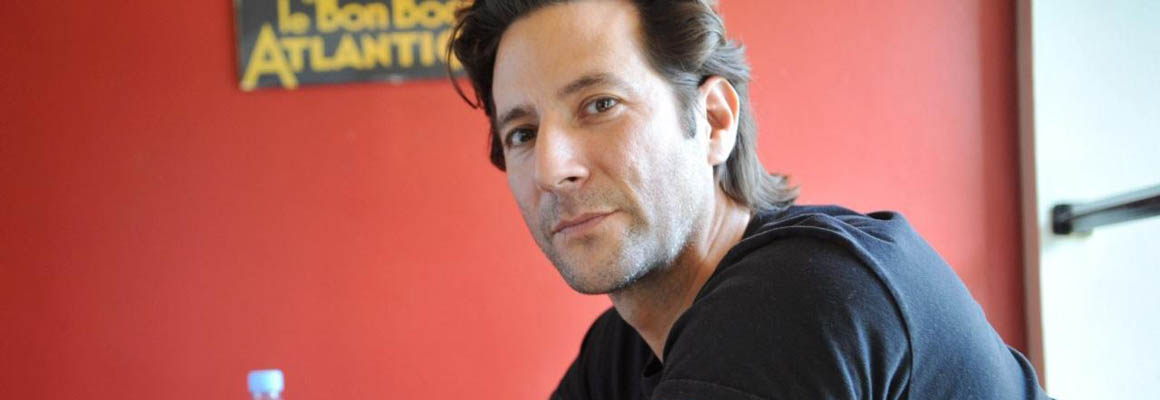
asks if we can go outside to take the pictures. In Soho Square, I
suggest he might like to adopt a Christ-like posture for effect. “Well, I
could,” he says, “but don’t you think it would be taking the mickey?”
He’s right.
But then, as the photographer is packing away his
equipment, he grins, and says: “Oh, all right.” And he raises his arms
to embrace the whole world.
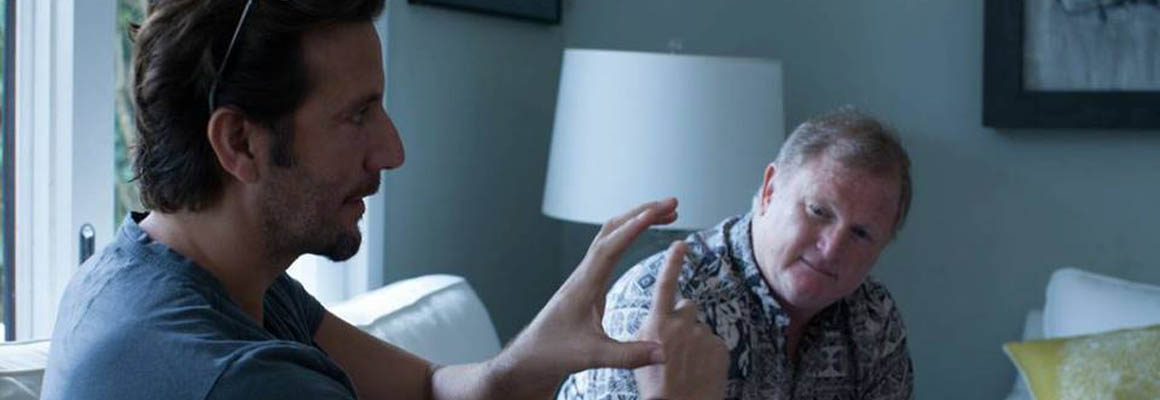
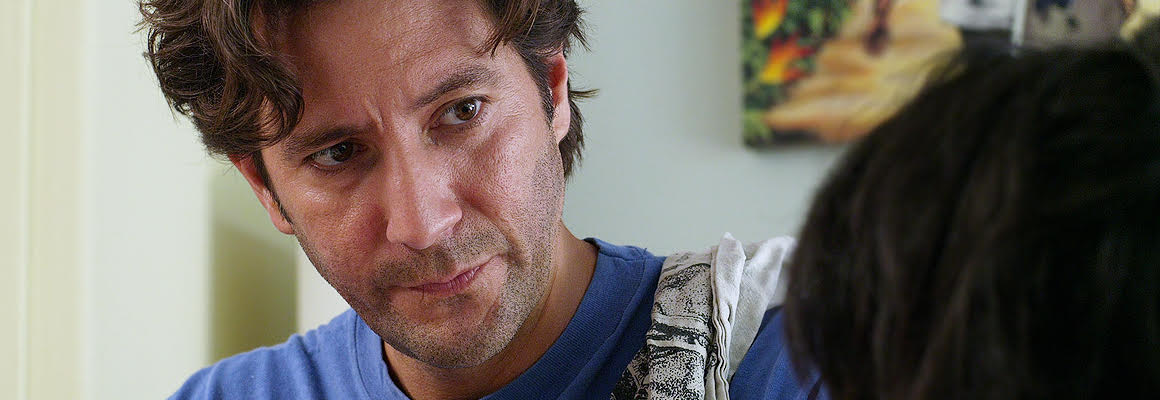
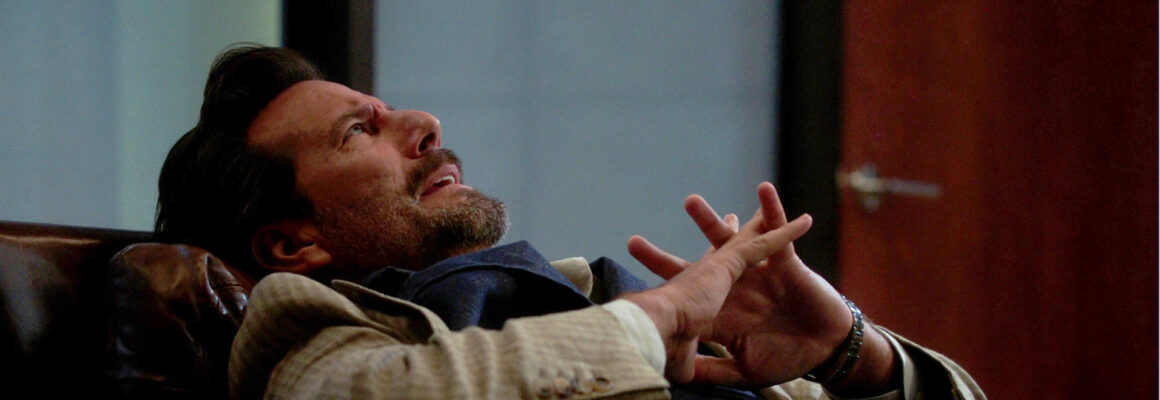
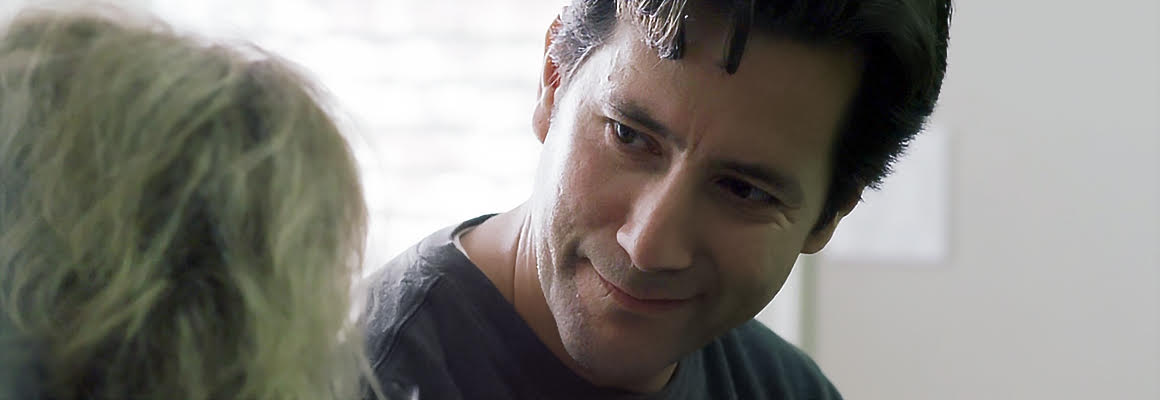
Fans were treated to a BTS photo from @cornellwillis, 2nd AD for MacGyver Season 4, and posted by @JustinHires. We see Ian as Russ Taylor and Justin Hires as Wilt Bozer, apparently in the offices of The Phoenix Foundation, with Sparky, who we will become acquainted with this season.
Henry Ian Cusick as Russ Taylor, “Sparky,” and Justin Hires as Wilt Bozer
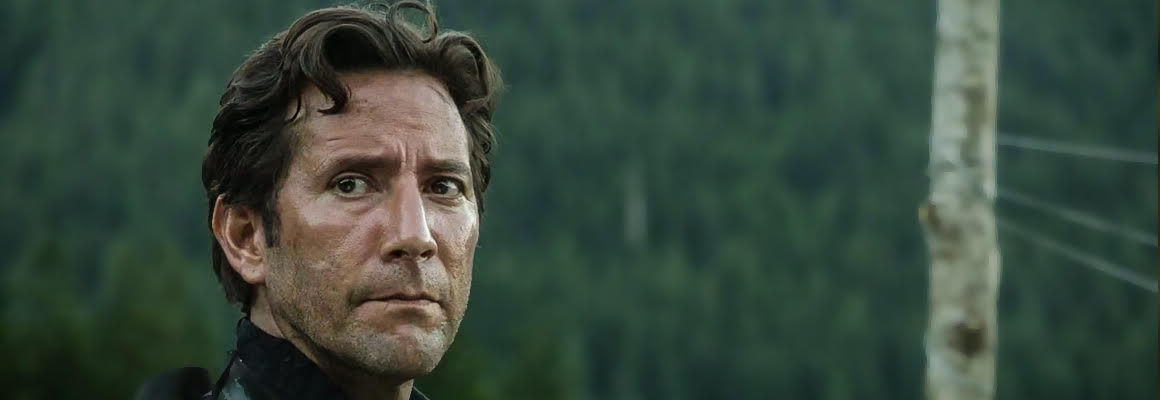
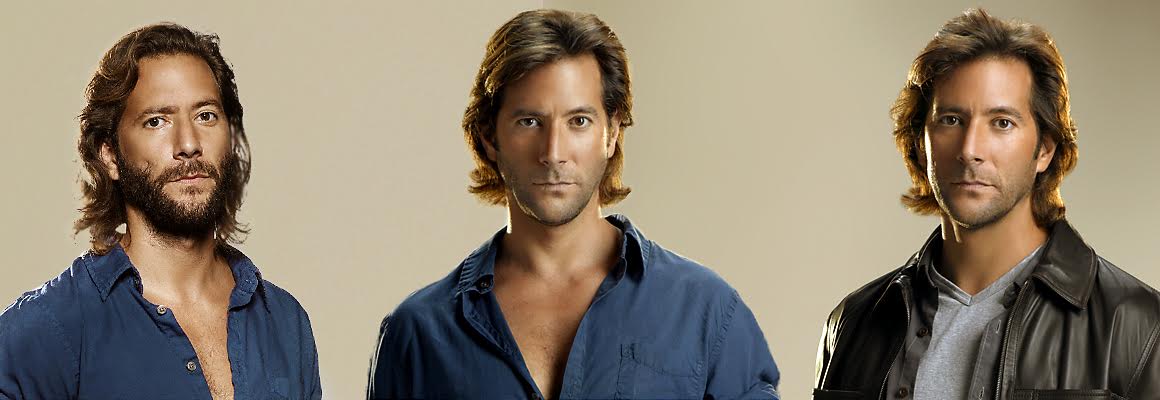
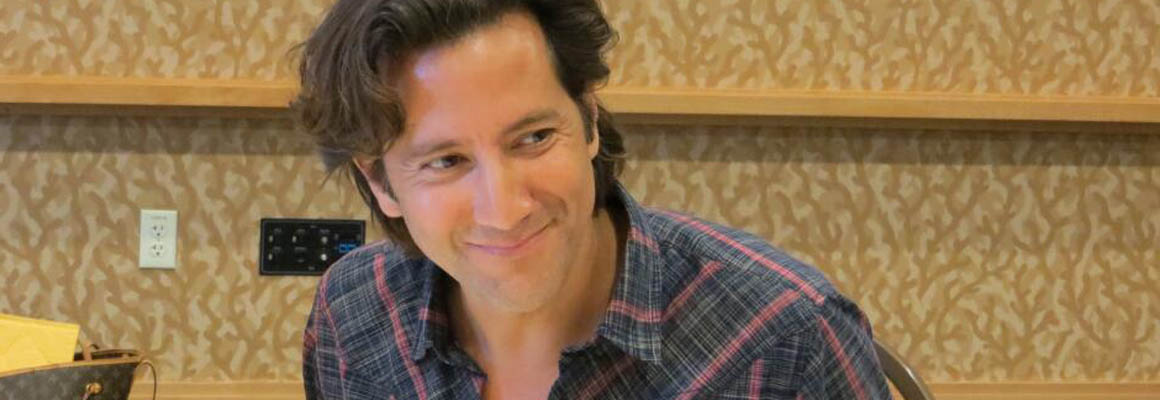
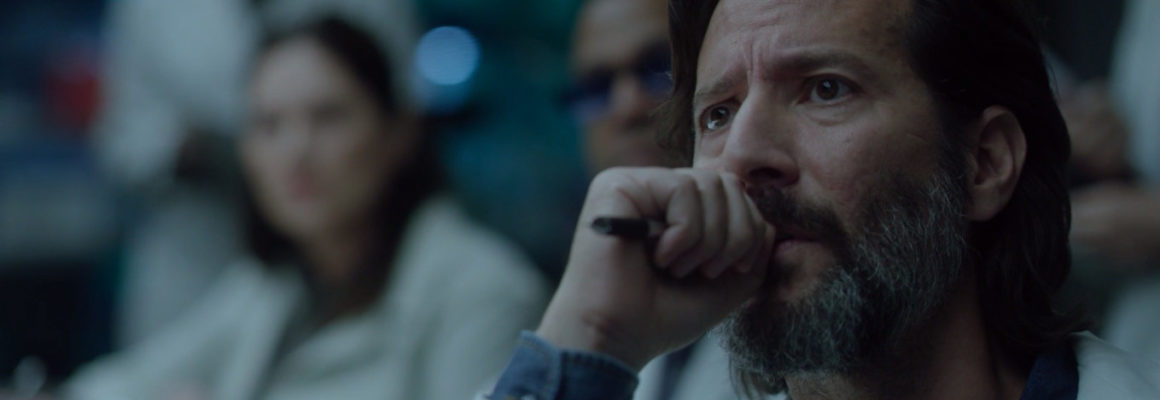
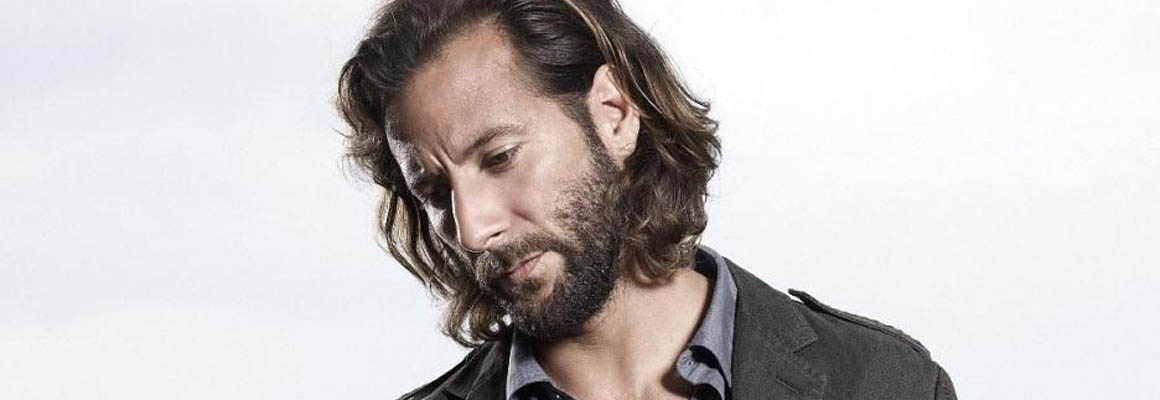
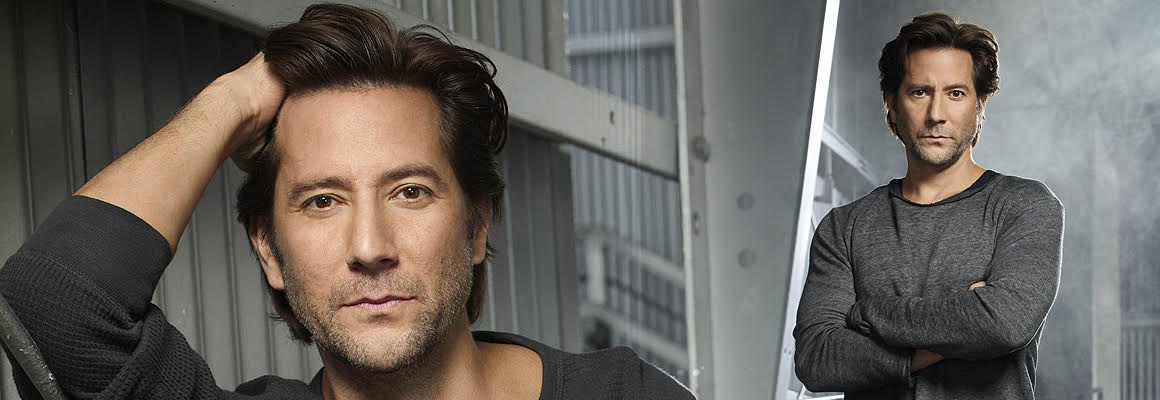
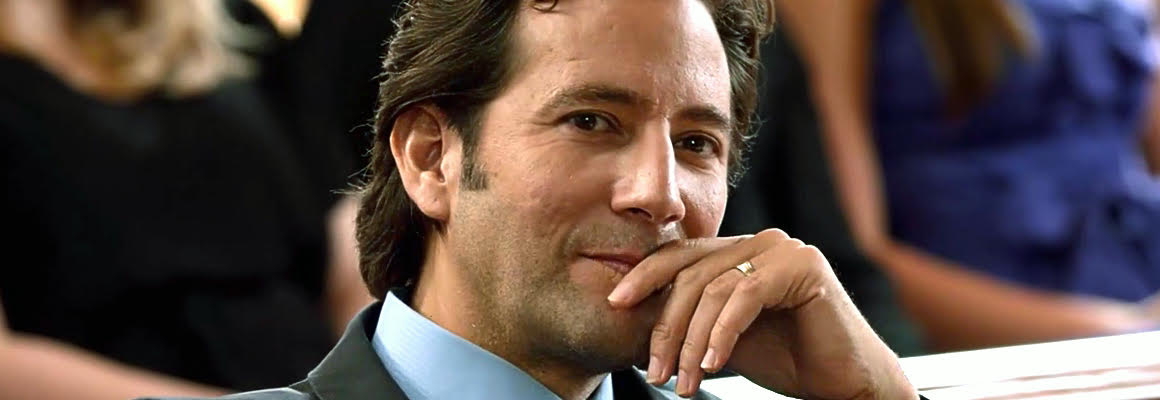
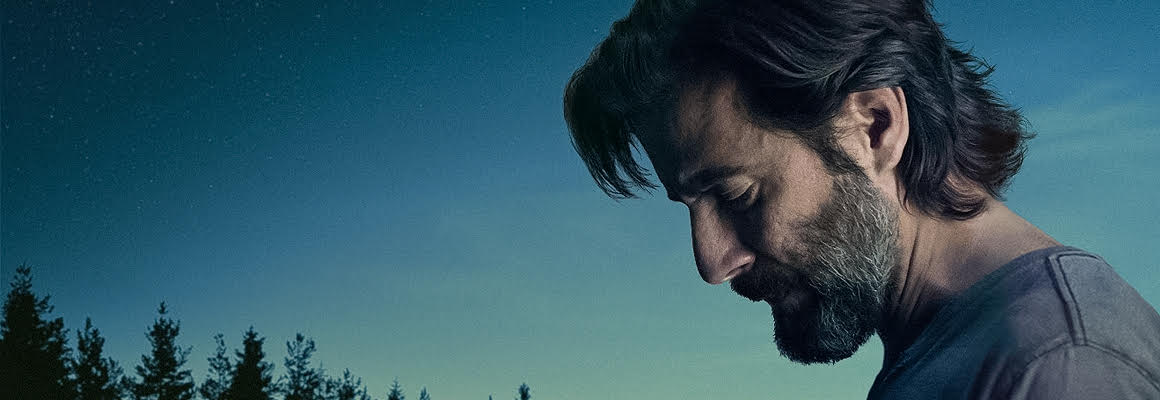
A closer look at Russ, and we see a person we don’t truly recognize. This character is a new look…even a new face…to add to Ian’s fabulous list of characters. He doesn’t look like anyone we’ve ever seen before, and that is extremely intriguing. We think we are going to like this guy…and we will truly enjoy getting to know him!
Is Ian shtumping for the camera, or is this the real Russ Taylor? Either way, the outfit is spot-on!




















 Henry Ian Cusick – Facebook
 Henry Ian Cusick – Vimeo
 Henry Ian Cusick – YouTube
 Henry Ian Cusick Official Site
 Henry Ian Cusick SoundCloud
 HenryIanCusickOfficial – IG
 Birthday Edition
 Caretaker – Audiobook
 1 Million Followers
 10.0 Earthquake
 After the Rain
 Awaken (9/Tenths)
 Carla
 Chimera
 Darwin's Darkest Hour
 Dead Like Me:Life After Death
 dress (Directoral Debut)
 Fluxx
 Frank vs. God
 Fugitive from Asteron
 Hae Hawai'i
 Half Light
 Hitman
 Jamojaya
 Just Let Go
 Los Vampires
 Not Another Happy Ending
 Pali Road
 Perfect Romance
 Pulse
 Rememory
 Salvador
 The Dinosaur Hunters
 The Girl on the Train
 The Gospel of John
 The Wind & The Reckoning
 Visible
 Theatre Gallery
 Adventure Inc.
 Casualty
 Happiness
 Midsomer Murders
 Murder Rooms
 Taggart
 The Book Group
 Twenty Twenty Six
 Two Thousand Acres of Sky
 Waking the Dead
 24 – Fox
 911: Lone Star
 Big Sky – ABC
 Body of Proof – ABC
 Butterfly – Prime Video
 CSI: Las Vegas – CBS
 Fringe – Fox
 Hawaii Five-O – CBS
 Inhumans – ABC
 Law and Order: SVU – NBC
 Lost – ABC
 MacGyver – CBS
 NCIS: Hawai'i – CBS
 Rush Hour – CBS
 Scandal – ABC
 The 100 – The CW
 The Mentalist – CBS
 The Passage – Fox
 The Wingfeather Saga – YT
 HTY – The HI Way Series
 JamBios
 Nestor Carbonell Central
 Petition – Carlton Cuse – Please Make A Show For Team Caliente (Henry Ian Cusick and Nestor Carbonell)
 Awaken Film
 CusickChick's Tumblr
 Henry Ian Cusick – IMDb
 Yatanis Tumblr
 CusickGallery Facebook
 CusickGallery Instagram
 CusickGallery Pinterest
 CusickGallery Tumblr
 CusickGallery Twitter
 CusickGallery YouTube
 Des & Pen Fanpop spot
 Desmond Hume Fanpop spot
 FanForum – Marcus Kane
 HIC Fanpop spot
 Kane & Abby Fanpop site
 Lost Screencaps site
 MacGyver Fanpop spot