








Henry Ian Cusick Interview: Chimera
ScreenRant: Henry Ian Cusick interview
BY ZAK WOJNAR– ON MAR 14, 2019
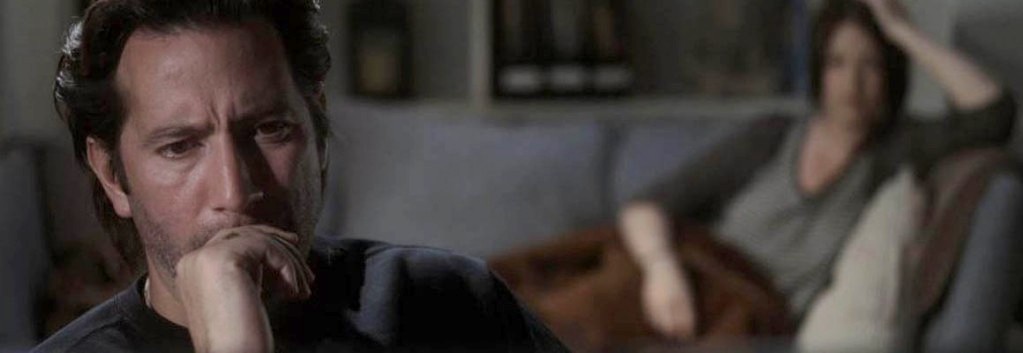
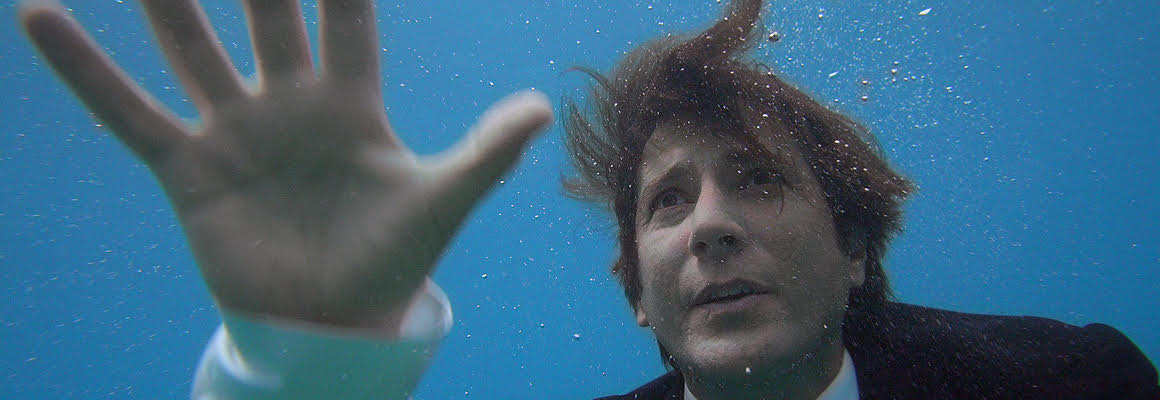
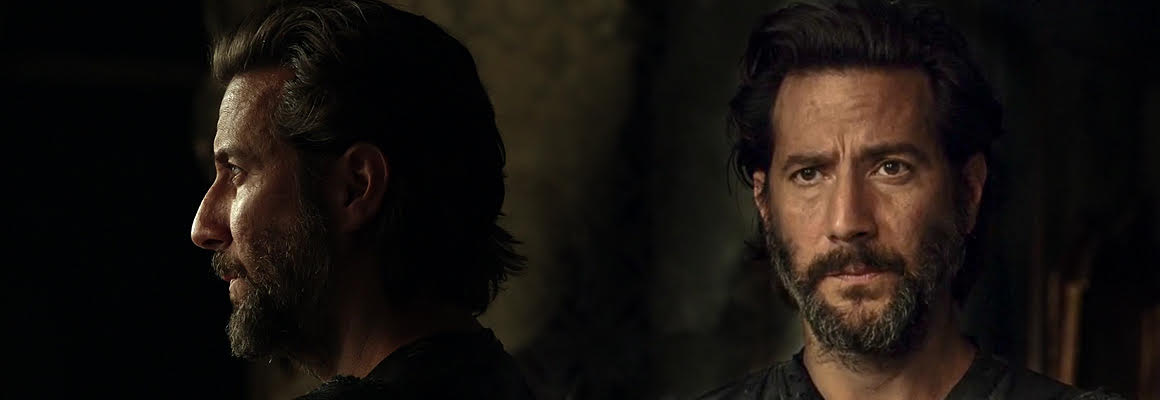
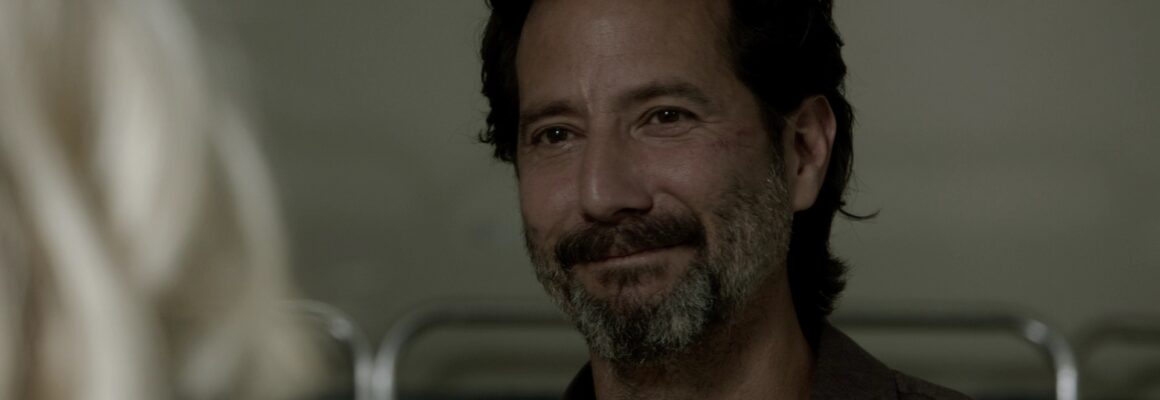
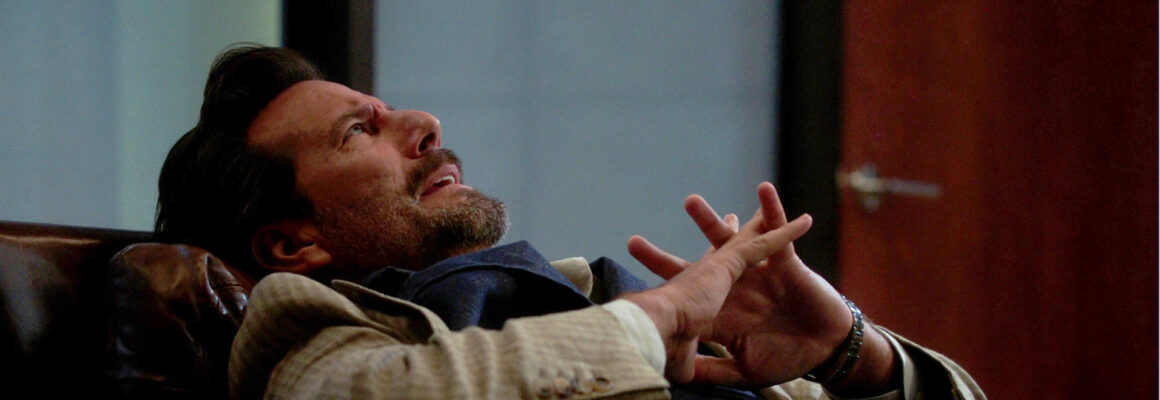
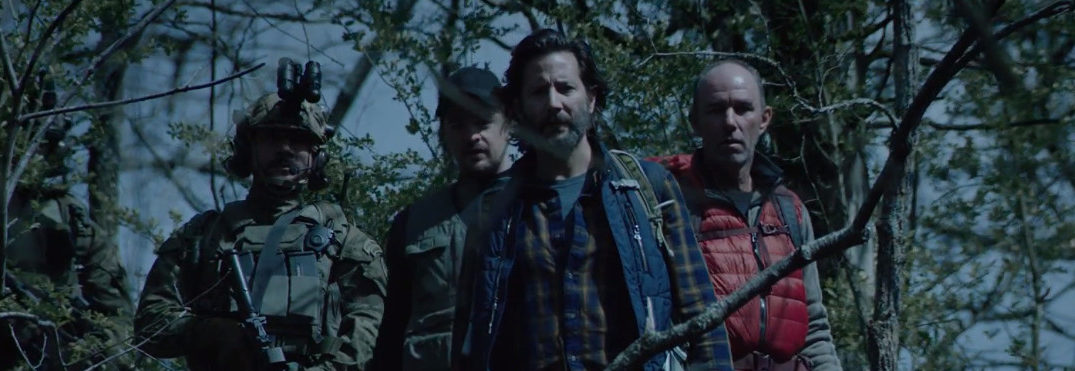
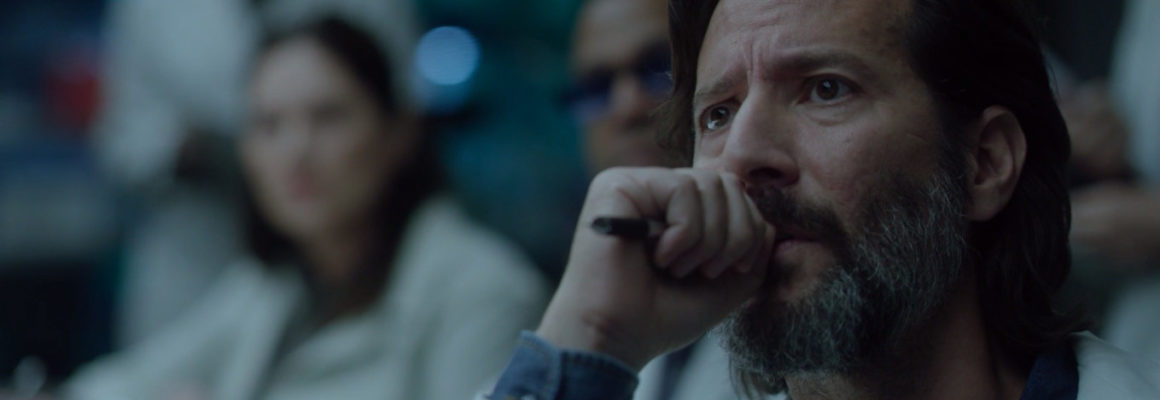
The provocative new science fiction horror tale, Chimera, tells the story of a mad scientist who crosses ethical boundaries and enters into a world where science becomes unholy black magic. Henry Ian Cusick (The Passage, The 100, Inhumans) stars as Quint, a scientist who studies the real-life Turritopsis jellyfish in an effort to save his children from their terminal condition.
Directed by first-time filmmaker Maurice Haeems, Chimera resembles a mix of classic “mad scientist” science fiction, horrific body horror tales of the 1980s and beyond, and the visually stunning color-coded sterility of modern day auteurs like Shane Carruth and Nicolas Winding Refn.
While promoting the release of Chimera, Henry Ian Cusick spoke to us about the fascinating pedigree of director Maurice Haeems, starring in a science fiction film with a small budget but big ideas, and what it’s like to shoot a movie and being forced to wait, potentially for years, before it eventually gets released to the public. He also shares some insight into his status as a Latino actor who generally doesn’t get cast in roles which allow him to speak Spanish on screen.

Screen Rant: Let’s talk about Chimera. This is a leading role in a movie from a first time director, Maurice Haeems. Tell me a little bit about his approach, compared to other science fiction that you’ve been involved in, and you’ve been involved in some very high profile sci-fi.
Henry Ian Cusick: The film came to me from my manager. I read it, and it was a really huge script, difficult to read. I met Maurice on Skype. He is from Mumbai, and he’s roughly my age, and he was incredibly intelligent. When he started talking about the science behind it, and how he got into studying biology because he had a friend or relative who was dying of a disease and he was experimenting with the Turritopsis jellyfish… These things actually do exist. They grow, they regress, and they grow again. They’re actually immortal, they can live forever. I thought, this guy actually knows what he’s talking about, and I just really liked him. So, you always take a chance with this stuff, you never know how it’s going to end up. So I took a chance. And he surrounded himself with a really good crew who shot it and did a great job. He managed to get a facility in Fitchburg, Massachusetts, where we shot every single scene. In that one location. It’s great for a low-budget film to shoot in one location. You don’t have to go anywhere. Everything was shot there. That was genius. And it was a great location. It was really a character in the film. And he got Kathleen Quinlan and Erika Ervin, and he got Jenna Harrison to star in it. Yeah, his learning curve was huge, but he was getting things very quickly, he’s so intelligent. And the whole editing of it was… When I finally saw the film, it was not the film that I read. It was changed a lot in the editing process. The way he edited it, adding the voices and the music and the lights, he really did a tremendous job.
Screen Rant: I imagine these types of movies are low-budget affairs, but Chimera has such a strong visual style and verisimilitude; it feels so plausible, even when it gets pretty psychedelic.
Henry Ian Cusick: The set was great. It was rough and ready. It’s all dark and dingy and run down… You never see the high-tech lab with all those things, you never really get to see what country you’re in. My character has an American accent, but my wife’s accent, Jenna is English. You believe it, but you don’t know exactly where you are in the world.
Screen Rant: How hard is it to learn dialogue and improvise lines while you’re playing a high-level scientist?
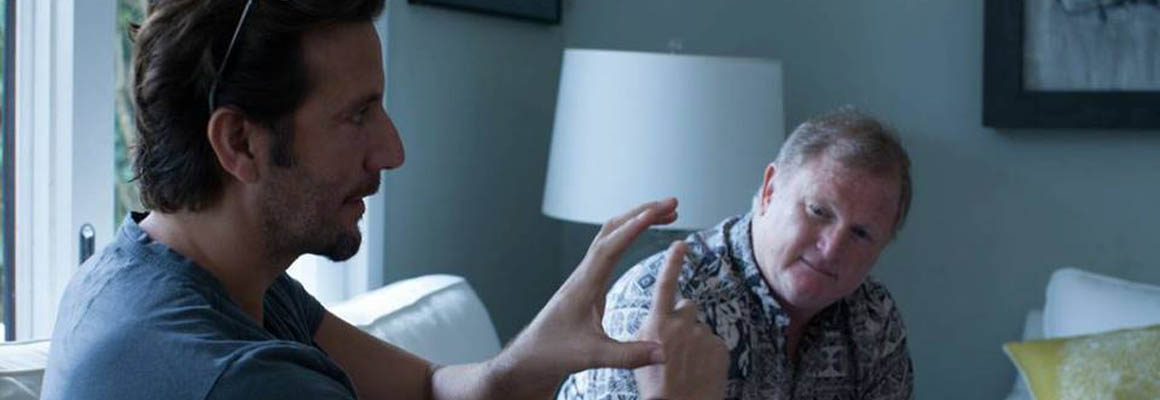
Henry Ian Cusick: With the scientific jargon, Maurice was on top of that. He would give us the correct pronunciation, the correct terminology. We trusted him. With the rest of it, we followed the script, but we were given the freedom to make everything our own, and we changed things up in the shooting. It’s normal in indie filmmaking, where you make the scene work for the location, or you make the scene work for the actors, or you make the scene work for whatever is happening in the moment. You always have to deal with that. I’ve been doing this for a while now, so I’m always open and willing to go, “Let’s change this,” or “Can we try this?” Maurice was such a great leader that he would listen to, not just me, but David Kruta, who was our great DP… It was ultimately his decision, but he would take advice from a lot of people and then make a decision. I really liked the way he ran it. He was always open to suggestions, and yet very strong and calm at the helm. I learned a lot from him, just watching how he dealt with situations.
Screen Rant: He seems like a real pro even though Chimera is his first movie!
Henry Ian Cusick: This is not his first career. He ran a company before moving into the film world. He ran a very successful software company. He knows what he’s doing. I completely trusted him as a director.
Screen Rant: I wouldn’t expect you to speak for him, but do you have any insight as to why he chose to switch careers?
Henry Ian Cusick: I think he’s always been a huge film fan. We talked about movies and sci-fi a lot. Upstream Color was a movie we talked about a lot. That was a low-budget film, Shane Carruth… He shot low-budget, on handheld, it’s terrific. I really love that movie, and we talked about it a lot, how the audience is always slightly behind what’s going on. We’re similar in that respect, the audience is slightly behind the movie, but they know they’re getting answers if they hang in there and pay attention. I think he thought, I love film and I want to make one. I think that’s why we all get into it. We all love film and want to be involved. He decided to write, produce, direct, and edit his own.

Screen Rant: Between Chimera and The Passage, you are the smartest person on the screen. You are an expert in all the sciences, or at least you play it on TV. What was the timeline like on these projects?
Henry Ian Cusick: We started Chimera a long time ago. We started shooting in 2015. We were supposed to start in February, but the weather was so bad we ended up pushing to March or April of 2015. It was a bad winter that year. This movie has been a long time coming. You know, after we shot, Maurice took a little break, and then he started editing. And the script is very different from the film. That happens a lot, but they made some pretty big changes. But I think they’ve done a great job. The Passage, that’s the polar opposite. We shot that in August, and the show aired in January. TV is just so fast. It’s a machine. It goes so quickly. Once you shoot it, someone edits it, you ADR it, and color it, and boom, it’s out. It’s a very different process.
Screen Rant: What’s it like when you shoot a movie like Chimera, and you’re finished with it, and you’re so excited for people to see it, but then it doesn’t come out for four years? Do you think about it all the time, or do you try to ignore it and move on to the next thing?
Henry Ian Cusick: That’s an interesting question. I’m grateful. I’m so pleased that Maurice got it out. I think it’s a movie that deserves to be seen. I’ve shot other movies that are equally as good. Just Let Go, a movie I shot in Utah, no one’s seen it. It’s out there somewhere, on a very small platform, but it’s hard to get it out there. I kind of thought Chimera might never get released properly, it might just pop up at a few film festivals and be dead and buried, but then Vertical Entertainment came in and they’re really pushing it, and I think it’s a really good film. I think fans of smart, intelligent sci-fi will really enjoy it. I’m so delighted that Maurice got it out there, because he did a great job and it really deserves an audience. Fingers crossed that it does well.
Screen Rant: Finally, I want to ask you something a little more personal. You are a Latino actor, but you’re very light skinned and don’t have a hispanic surname, much like myself, actually. My dad is Polish/Irish, so my last name is Wojnar.
Henry Ian Cusick: Right, you have the same thing I have. My last name is Cusick, which is Irish/Scottish. My mother’s name is Esperanza Chávez. My mother’s Peruvian. Where’s your mother from?
Screen Rant: She’s Honduran. Her name is Carlota Alvarado, now Wojnar.
Henry Ian Cusick: I was born in Peru, my mother’s Peruvian. We both speak Spanish. Spanish was my first language. But people who don’t know that I am Latino are surprised because my name is Henry Ian Cusick. You know. My mom just loved the name Ian, and my dad’s name was Henry. I could have been named Enrique Chávez, and that would have been very different for me. Also, when I speak Spanish, I speak in a rather Scottish accent, which is a bit weird, as well.
Screen Rant: Are people surprised when they learn about your background?
Henry Ian Cusick: When Latinos look at me, they’re surprised. They always say, “You don’t look it!” But then when they see me standing next to me mom, or they hear me speaking, they go, “Oooooh.” Once they get their head around it, after a while, they can see it. Usually, my nose gives it away. It’s a rather sort of hook nose. Once they know that I am and they look at me again, they go, “Aye, si, podo ver, podo ver.” In my family, I’m probably the whitest.

Screen Rant: Do you feel like it’s affected you as an actor?
Henry Ian Cusick: I have never been given a Hispanic role. Ever. No, that’s a lie, I played a hispanic terrorist in one episode of Hawaii Five-0. But that was it.
Screen Rant: Would you like to play more Hispanic roles?
Henry Ian Cusick: I would love to. I would love to be able to speak Spanish on film. That would be great. That’s on my bucket list, for sure. I kind of secretly want to be in a telenovela. I think that would be kind of fun!
Chimera hits theaters and VOD on March 15.

 Henry Ian Cusick – Facebook
 Henry Ian Cusick – Vimeo
 Henry Ian Cusick – YouTube
 Henry Ian Cusick Official Site
 Henry Ian Cusick SoundCloud
 HenryIanCusickOfficial – IG
 Birthday Edition
 Caretaker – Audiobook
 1 Million Followers
 10.0 Earthquake
 After the Rain
 Awaken (9/Tenths)
 Carla
 Chimera
 Darwin's Darkest Hour
 Dead Like Me:Life After Death
 dress (Directoral Debut)
 Fluxx
 Frank vs. God
 Fugitive from Asteron
 Hae Hawai'i
 Half Light
 Hitman
 Jamojaya
 Just Let Go
 Los Vampires
 Not Another Happy Ending
 Pali Road
 Perfect Romance
 Pulse
 Rememory
 Salvador
 The Dinosaur Hunters
 The Girl on the Train
 The Gospel of John
 The Wind & The Reckoning
 Visible
 Theatre Gallery
 Adventure Inc.
 Casualty
 Happiness
 Midsomer Murders
 Murder Rooms
 Taggart
 The Book Group
 Twenty Twenty Six
 Two Thousand Acres of Sky
 Waking the Dead
 24 – Fox
 911: Lone Star
 Big Sky – ABC
 Body of Proof – ABC
 Butterfly – Prime Video
 CSI: Las Vegas – CBS
 Fringe – Fox
 Hawaii Five-O – CBS
 Inhumans – ABC
 Law and Order: SVU – NBC
 Lost – ABC
 MacGyver – CBS
 NCIS: Hawai'i – CBS
 Rush Hour – CBS
 Scandal – ABC
 The 100 – The CW
 The Mentalist – CBS
 The Passage – Fox
 The Wingfeather Saga – YT
 HTY – The HI Way Series
 JamBios
 Nestor Carbonell Central
 Petition – Carlton Cuse – Please Make A Show For Team Caliente (Henry Ian Cusick and Nestor Carbonell)
 Awaken Film
 CusickChick's Tumblr
 Henry Ian Cusick – IMDb
 Yatanis Tumblr
 CusickGallery Facebook
 CusickGallery Instagram
 CusickGallery Pinterest
 CusickGallery Tumblr
 CusickGallery Twitter
 CusickGallery YouTube
 Des & Pen Fanpop spot
 Desmond Hume Fanpop spot
 FanForum – Marcus Kane
 HIC Fanpop spot
 Kane & Abby Fanpop site
 Lost Screencaps site
 MacGyver Fanpop spot