Chimera Strain released today!


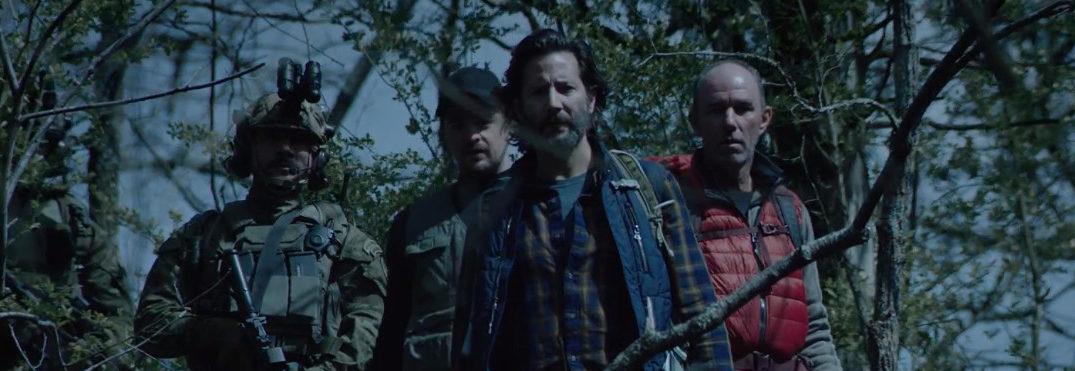
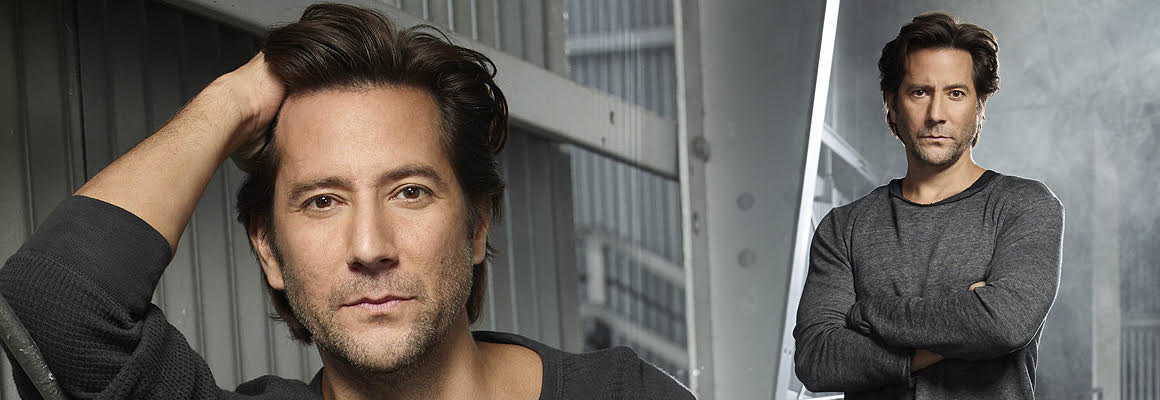
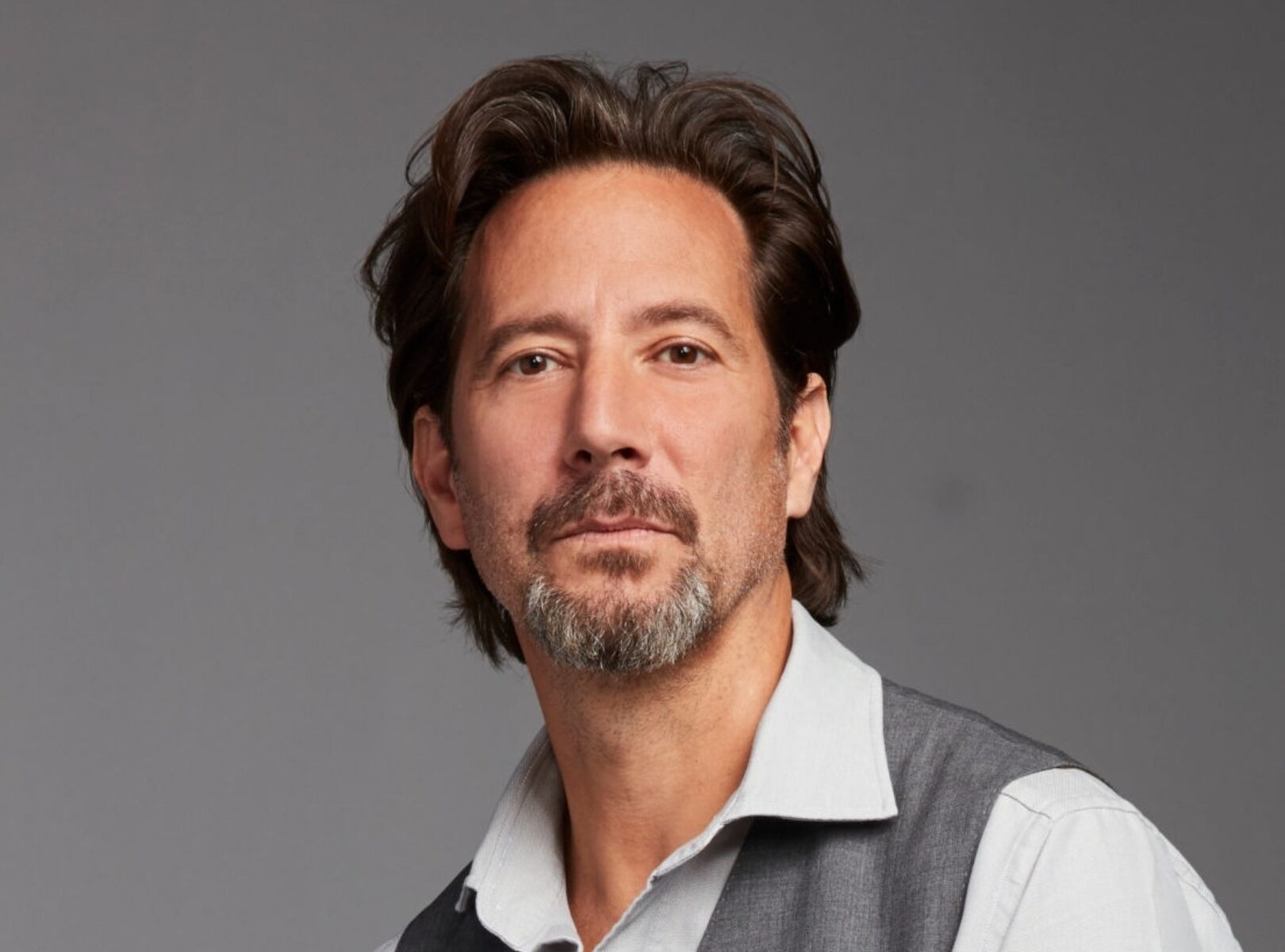


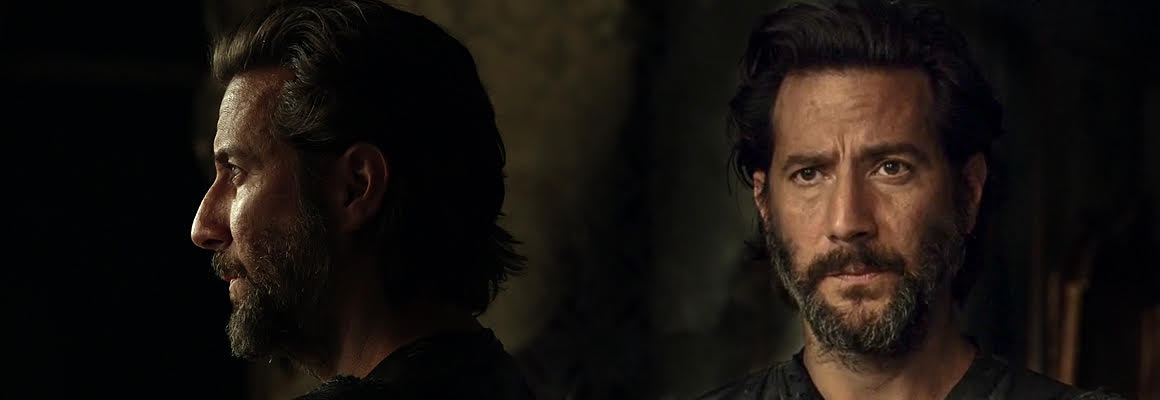

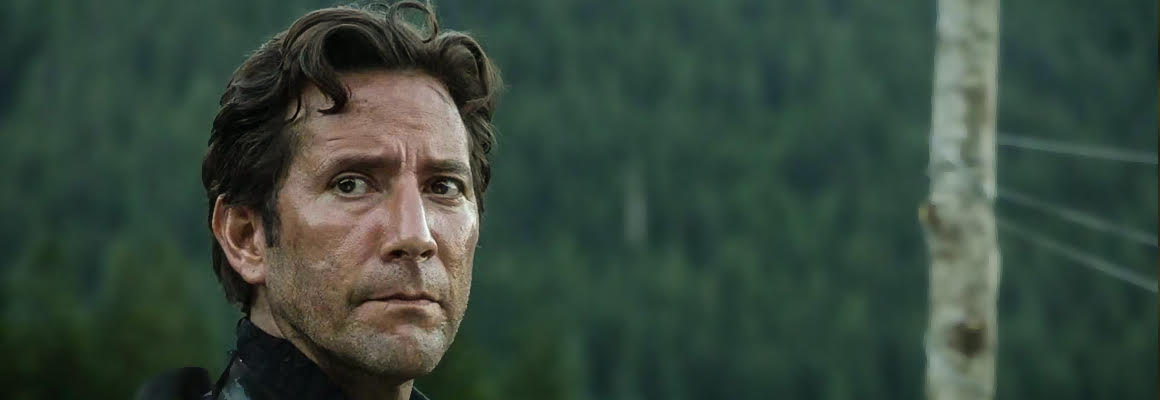

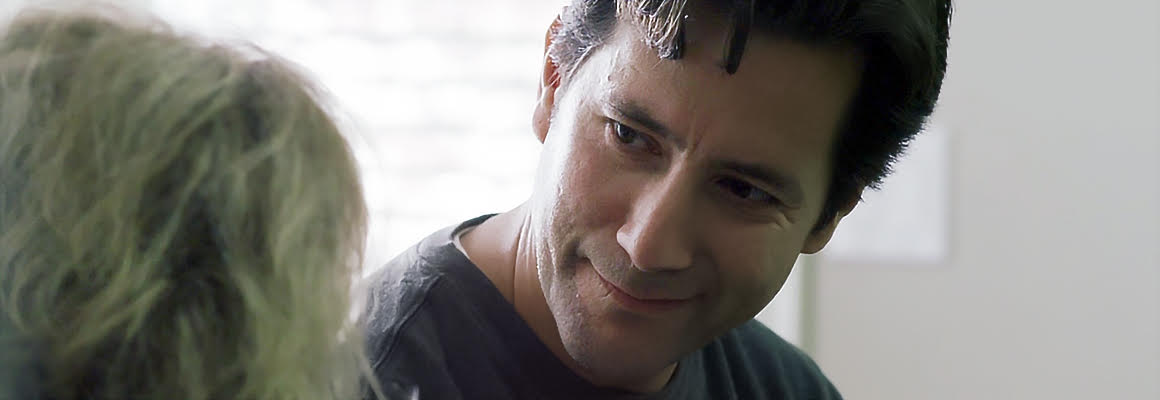

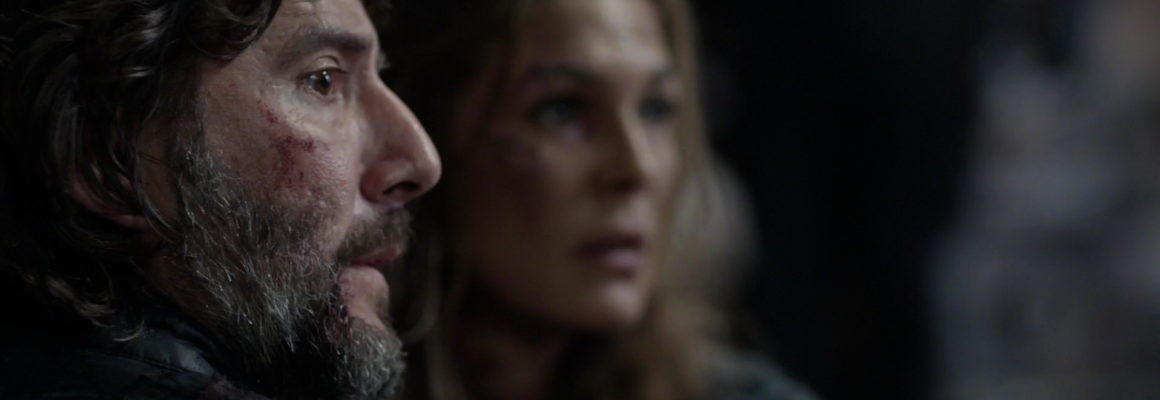
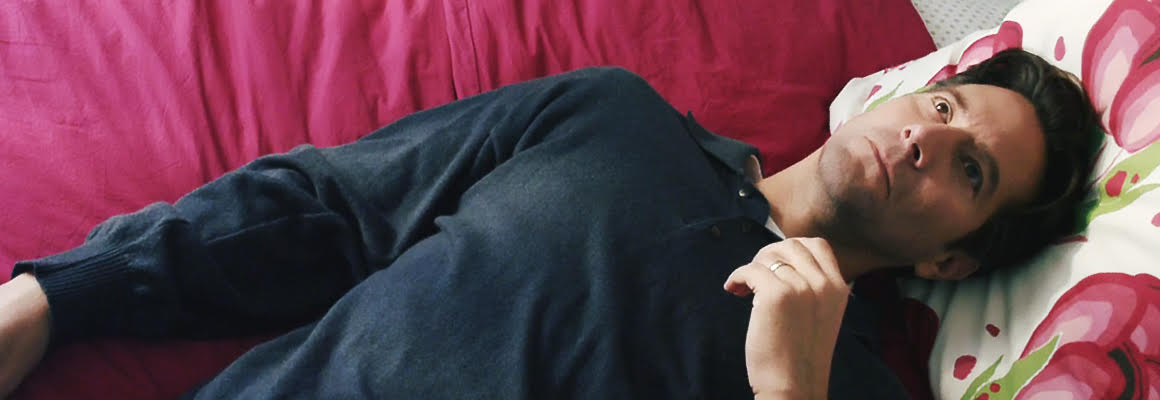




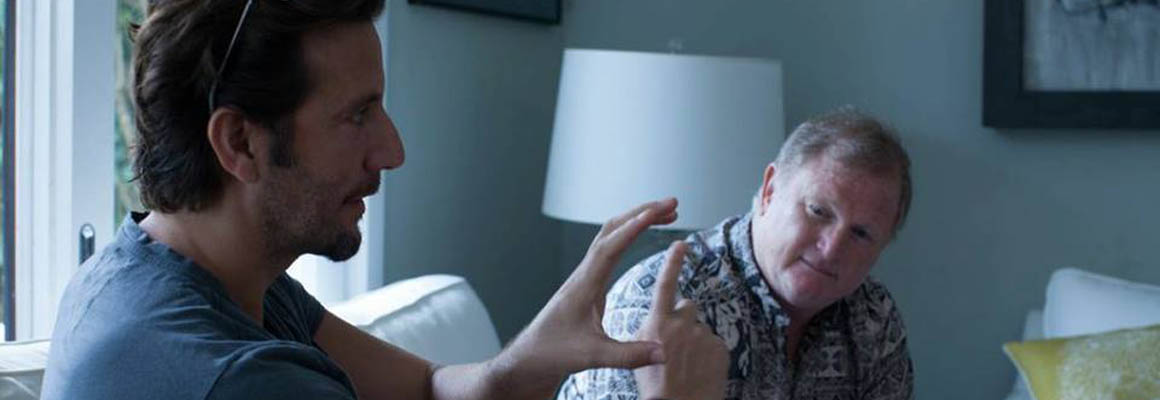



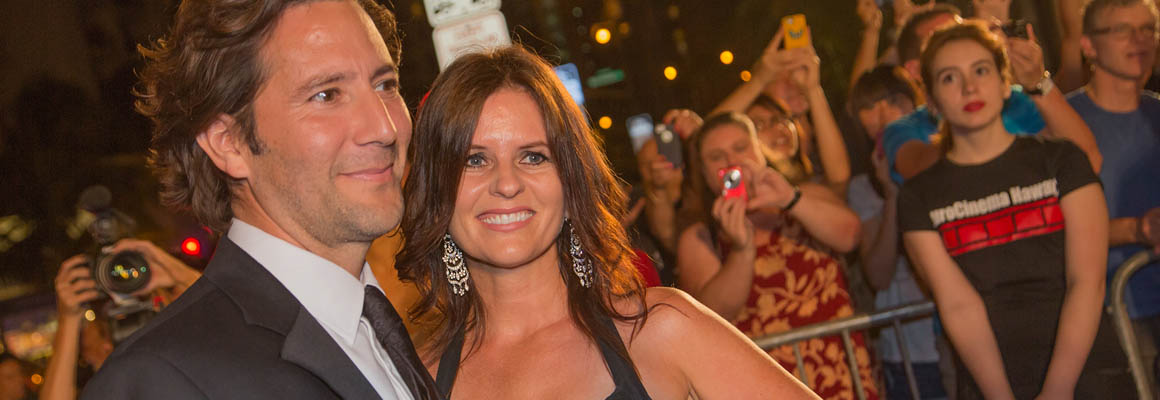
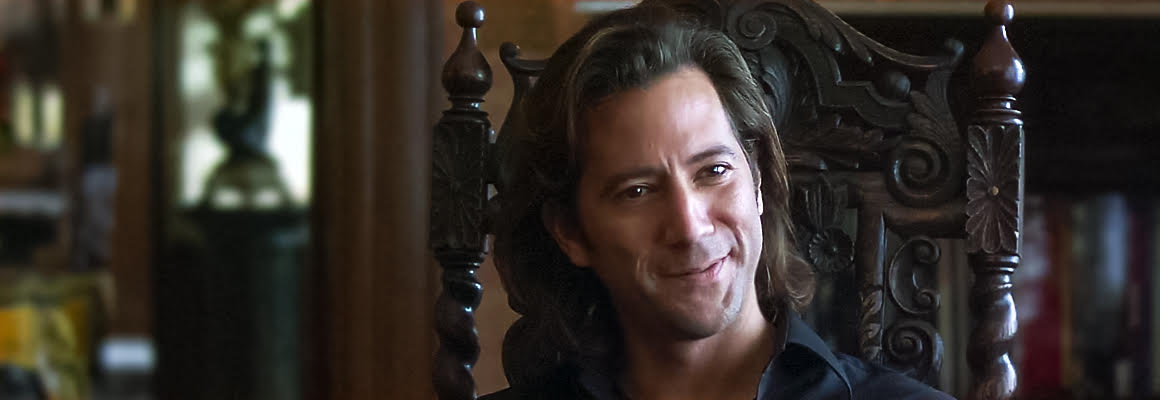



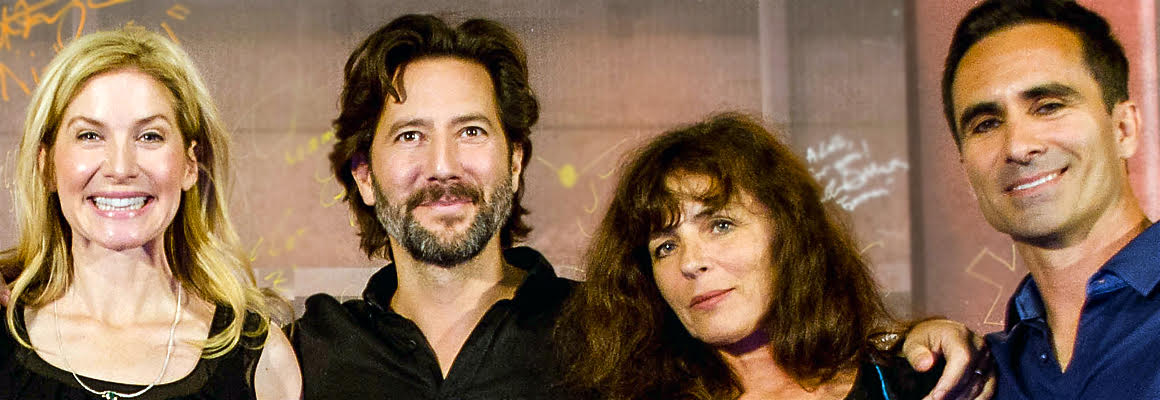






LRM Online: Henry Ian Cusick interview
March. 15.19 – by Nancy Tapia

Mankind has always tried to find a way to put an end to mortality. Be it with the Fountain of Youth, spiritual enlightenment, or scientific means, it’s been the subject of countless stories. Such is the case with Chimera Strain, the latest sci-fi drama from writer-director Maurice Haeems, which hits VOD and select theaters today!
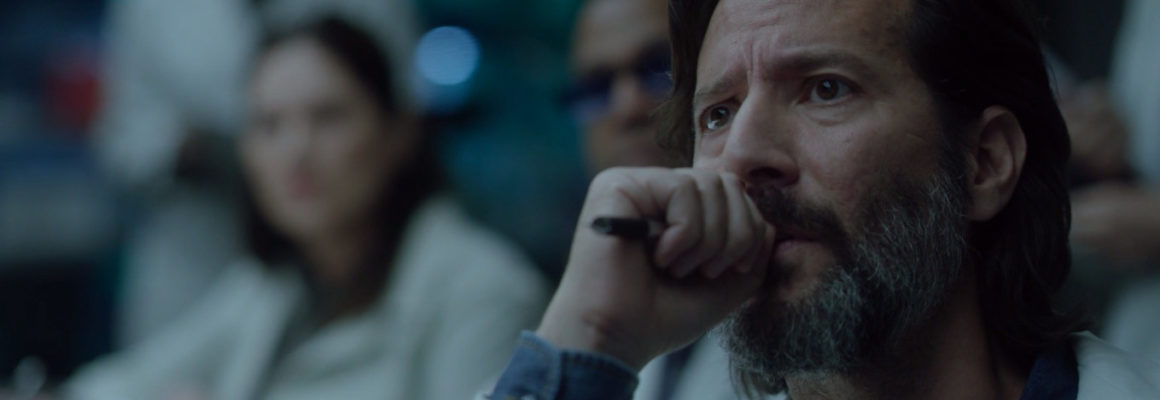
LRM Online had a chance to discuss the film with its star, Henry Ian Cusick, who plays a scientist named Quint. In the film, he freezes his children as he races to find a cure by using the DNA of an immortal jellyfish. In our discussions, we discuss immortality and taking creative risks on not-so-obvious projects.
LRM: Well, and let’s start by having you tell us a little bit about Quint. He seems to play a bit of a dark character.
Cusick: Yes, Quint, he is an interesting character, he’s this scientist who is extremely intelligent and is in a situation where, we see him at the beginning of the film and he’s doing some sort of experiments and chops his finger off. And it maybe looks like a wife who, not sure if she’s dead or alive, he had two children, we’re not sure if they’re even in reality or in his mind. You’re not sure if he’s sane or not. He’s in a pretty dark place. And then you slowly learn about him and his relationship with his employer Masterson and Charlie, who was maybe at one time a love interest.
He’s a fascinating character because he’s kind of a Frankenstein, sort of, you’re not sure. He thinks he’s trying to save his children, obviously. He seems very cold and harsh to them and his wife is always saying ‘you know if they’re dying, be with them, be present, enjoy them, enjoy their last moments.’ But of course his ego’s so big and he thinks ‘I can save them.’ And I think by doing that he’s so obsessed with his work. He’s not really present as a father should be. That was kind of interesting to play, cause I have children of my own and I always try to be a lot more playful than Quint. But to be sort of cold and yet caring was kind of an interesting challenge. But yeah, I thoroughly enjoyed that character, but it was a really, really, really cool role to play.
And I love the twist at the end, you know? And the whole idea about, you know, trying to make yourself even, your mind, you can transcend sort of mortality. Become immortal. Just with… eventually I think you got the opinion that we’re so intelligent, if we keep on pushing the boundaries. I guess that part of the film, pushing the boundaries, scientifically, morally, and ethically, that’s wrong. You know, what he’s doing, keeping these women alive in these chambers. You could either go to the police and say ‘no this is all wrong’ but he carries on doing an experiment and carries on because he’s pushing it, he’s pushing, he’s got in that respect, big balls, to be pushing the boundaries scientifically but, ethically, morally. And this is where the audience make up their own minds about what is acceptable, what’s not acceptable about how far would you go for your children?
LRM: Well, there is one soft side when he’s sitting down with the kids, as he’s repairing like some sort of toy cart. So that was a little vulnerable moment that the character did have.
Cusick: That’s true. Yes, there are little moments where you see, and also, you know that little thing where you see him, there sort of like going to the stars and he’s playing with them. Because they have obviously not left this facility, they’re all trapped in the facility, because he won’t let them out. He’s also trapped in this facility because he’s hiding and just working on his experiments. But is, he has the little fun things, where playing the star or dressing up as the astronaut and stuff. And I actually, come to think of it, there was another thing, I’m not sure if it made it into the film, I can’t remember now, where we all throw whipped cream at each other. That might not have made the movie. There’s a lot of stuff we shot that didn’t make it.

LRM: So what was it about this film that attracted you to jump on it? In particular?
Cusick: It’s a genre that I love, this sort of sci-fi, morally, ethically, gray area. When I met [writer-director] Maurice [Haeems], he’d been extremely intelligent and would speak of the science in laymans terms. So easy to understand, the whole idea that these turritopsis jellyfish, where, and this is true … they grow to a certain sort of age and then they regress, and they grow again, and regress. And they can do this so they are immortal in that respect. Our course if they get eaten by something they will die. But all the science that he was pitching on me, I find it really fascinating. I did terribly at Biology at school, but the way he was pitching it, I thought ‘wow this is really interesting. I really am digging it.’ So that, having met him and got to know more about him, I found Maurice quite a fascinating character. I was curious, I know. I’m an actor, so that’s what I do. I love to act. And I’m always curious about anything that I think ‘Can that work?’
I met Stephen Lang on a film I did, “The Girl on the Train,” and he was like, I said, ‘why are you doing this film?’ And he said “well I just want to see if it can work, and I don’t know if it’s going to be any good, but this is what I do.” And he was doing two days on that movie and then trotting down to Alabama to do one day on the other movie, and then another movie. It was just like wandering on. He said I just do these movies, these low budget, for no money. But then he makes his money off Avatar. I was like that’s a great philosophy, I’m going to start doing that so. When I turned up I was ‘yeah, all right…” So what I do, when you take a chance, you never know. And I’m glad I did because I think it’s a terrific little film. I think Maurice has done a great job. Everyone, all the actors have done a fantastic job and I’m really pleased that I took that chance. You know? It was a fascinating script. It was a great role for me. Why wouldn’t I?
LRM: Right, well speaking of what the movie’s about, I mean, how do you personally feel about immortality?
Cusick: You know, it’s not something that I yearn for, you know, to live forever? No, I think I would be bored. I want to see… many times I’ve gone ‘I wonder what happens’ you know? And, as you get older, I think it’s natural to want leave your body, to fall apart, or anything, ‘Ah, just get me out of here. Let’s see what’s on the other side, if there is another side.’
How do I feel about immortality? Scientists are pushing the boundaries. There’s always test-, I’m sure, illegal testing done, somewhere, on somebody, or something, or some animal, some life form to see how long … We’ve always been in search, from El Dorado, you know, there’s the Fountain of Youth. We’ve always been in search of immorality. We’ll do anything to look younger, you know? So that seems to be part of what human psyche is made up of. So yeah, you know, will we become our own gods? People have asked the question will be eventually be what we think, we will ourselves be the gods that we create.
LRM: Well I got excited when the golden retriever opened its eyes on the film. I have to say.
Cusick: You got excited by the golden retriever?
LRM: Yes.
Cusick: All those golden…there were so many of them. There were tons of them.
LRM: Well, I got excited when one of them, cause I remember, well from the scene where it’s like ‘it’s his turn you know?’ I was like ‘no!’
Cusick: Oh! Oh, I see. I think that was Kinishka, yes when all the kids named the dogs. What did you get excited about? What, the fact that it was his turn to die or just to be tested on?
LRM: Well that he was going to be tested on and then, later on, I’m like ‘oh he’s okay!’ Like, it was a success. The sad part is like yeah with immortality there’s that setback, you’re either like sad, like not happy about it, but then it kind of makes you happy about it.
Cusick: Right. So I would think he’s not immortal he was just brought back. From being in, like, in crypto. He was frozen and then he was brought back a bit. So that was a success. And that’s what he planned to do to his children. But, yes he was going to make his children chimeric and immortal. And that’s what he eventually does to himself, we think at the end. You know, he chops his finger off and it grows back. He was successful. It’s a great turn at the end though, when Charlie steals all of his work. I thought that was pretty cool.
LRM: Yes! The whole time you kind of assume who’s like the bad guy but then at the end you’re really surprised.
Cusick: Even watching, I was like ‘Oh my God! I hate her she’s terrible!’ You know, Quint is morally dubious at best, but she was terrible. She was just not good.

LRM: Yeah and in a way, you think she’s the one that’s like bringing everything to sense, like okay, but no. So that’s a good throw off. So what, so you mentioned you do have kids. So what if you were ever in the situation where, you know, would you do what Quint was doing to save your loved ones? If you had, you know, the ability to save them and hang on as much as possible? Or would you just let the cycle of life kind of just take its course?
Cusick: That’s a really good question. You know, if I had the intellectual capacity to save some something, to fix something, then perhaps I would. Now I don’t, and death is inevitable so I would, you’d think I would want to spend as much time with them, and make their last moments enjoyable, and you know loving as possible. But if I thought I had the potentially the intellect or capabilities to save them, of course I would try and save them.
Now, would I do what he does? You know, I don’t think so. I think he takes it too far. But, in saying that it’s the people that do go that far that will create change. I think it’s always the scientists who go too far. Or people who take it to an extreme that accelerates times. Unethical as it might be. Saying that, I’m not in favor of what he’s done. I don’t think he was right. Testing on an animal. Be cruel to anything. My answer is no, I personally wouldn’t do it but I do understand. And I hope that the audience understands. And that I think is what makes the film. It’s like you question his methods, not his motives, but you certainly question his methods.
LRM: Okay, thank you. So to finalize is there something you can share that you might be working on or we may be seeing you in?
Cusick: So I’m doing a TV show called Passage which is, has its season finale on Monday, this Monday coming up. Don’t know what the date is. But it’s a two hour premiere and again I play a scientist in that who is responsible for perhaps the end of the human race. And he’s in that sort of dilemma of what does he do about it, does he…No, that would be a spoiler. Anyways so in his, there’s a TV show called The Passage check it out, it’s on Fox, 9pm on Monday.
ScreenRant: Henry Ian Cusick interview
BY ZAK WOJNAR– ON MAR 14, 2019
The provocative new science fiction horror tale, Chimera, tells the story of a mad scientist who crosses ethical boundaries and enters into a world where science becomes unholy black magic. Henry Ian Cusick (The Passage, The 100, Inhumans) stars as Quint, a scientist who studies the real-life Turritopsis jellyfish in an effort to save his children from their terminal condition.
Directed by first-time filmmaker Maurice Haeems, Chimera resembles a mix of classic “mad scientist” science fiction, horrific body horror tales of the 1980s and beyond, and the visually stunning color-coded sterility of modern day auteurs like Shane Carruth and Nicolas Winding Refn.
While promoting the release of Chimera, Henry Ian Cusick spoke to us about the fascinating pedigree of director Maurice Haeems, starring in a science fiction film with a small budget but big ideas, and what it’s like to shoot a movie and being forced to wait, potentially for years, before it eventually gets released to the public. He also shares some insight into his status as a Latino actor who generally doesn’t get cast in roles which allow him to speak Spanish on screen.

Screen Rant: Let’s talk about Chimera. This is a leading role in a movie from a first time director, Maurice Haeems. Tell me a little bit about his approach, compared to other science fiction that you’ve been involved in, and you’ve been involved in some very high profile sci-fi.
Henry Ian Cusick: The film came to me from my manager. I read it, and it was a really huge script, difficult to read. I met Maurice on Skype. He is from Mumbai, and he’s roughly my age, and he was incredibly intelligent. When he started talking about the science behind it, and how he got into studying biology because he had a friend or relative who was dying of a disease and he was experimenting with the Turritopsis jellyfish… These things actually do exist. They grow, they regress, and they grow again. They’re actually immortal, they can live forever. I thought, this guy actually knows what he’s talking about, and I just really liked him. So, you always take a chance with this stuff, you never know how it’s going to end up. So I took a chance. And he surrounded himself with a really good crew who shot it and did a great job. He managed to get a facility in Fitchburg, Massachusetts, where we shot every single scene. In that one location. It’s great for a low-budget film to shoot in one location. You don’t have to go anywhere. Everything was shot there. That was genius. And it was a great location. It was really a character in the film. And he got Kathleen Quinlan and Erika Ervin, and he got Jenna Harrison to star in it. Yeah, his learning curve was huge, but he was getting things very quickly, he’s so intelligent. And the whole editing of it was… When I finally saw the film, it was not the film that I read. It was changed a lot in the editing process. The way he edited it, adding the voices and the music and the lights, he really did a tremendous job.
Screen Rant: I imagine these types of movies are low-budget affairs, but Chimera has such a strong visual style and verisimilitude; it feels so plausible, even when it gets pretty psychedelic.
Henry Ian Cusick: The set was great. It was rough and ready. It’s all dark and dingy and run down… You never see the high-tech lab with all those things, you never really get to see what country you’re in. My character has an American accent, but my wife’s accent, Jenna is English. You believe it, but you don’t know exactly where you are in the world.
Screen Rant: How hard is it to learn dialogue and improvise lines while you’re playing a high-level scientist?
Henry Ian Cusick: With the scientific jargon, Maurice was on top of that. He would give us the correct pronunciation, the correct terminology. We trusted him. With the rest of it, we followed the script, but we were given the freedom to make everything our own, and we changed things up in the shooting. It’s normal in indie filmmaking, where you make the scene work for the location, or you make the scene work for the actors, or you make the scene work for whatever is happening in the moment. You always have to deal with that. I’ve been doing this for a while now, so I’m always open and willing to go, “Let’s change this,” or “Can we try this?” Maurice was such a great leader that he would listen to, not just me, but David Kruta, who was our great DP… It was ultimately his decision, but he would take advice from a lot of people and then make a decision. I really liked the way he ran it. He was always open to suggestions, and yet very strong and calm at the helm. I learned a lot from him, just watching how he dealt with situations.
Screen Rant: He seems like a real pro even though Chimera is his first movie!
Henry Ian Cusick: This is not his first career. He ran a company before moving into the film world. He ran a very successful software company. He knows what he’s doing. I completely trusted him as a director.
Screen Rant: I wouldn’t expect you to speak for him, but do you have any insight as to why he chose to switch careers?
Henry Ian Cusick: I think he’s always been a huge film fan. We talked about movies and sci-fi a lot. Upstream Color was a movie we talked about a lot. That was a low-budget film, Shane Carruth… He shot low-budget, on handheld, it’s terrific. I really love that movie, and we talked about it a lot, how the audience is always slightly behind what’s going on. We’re similar in that respect, the audience is slightly behind the movie, but they know they’re getting answers if they hang in there and pay attention. I think he thought, I love film and I want to make one. I think that’s why we all get into it. We all love film and want to be involved. He decided to write, produce, direct, and edit his own.

Screen Rant: Between Chimera and The Passage, you are the smartest person on the screen. You are an expert in all the sciences, or at least you play it on TV. What was the timeline like on these projects?
Henry Ian Cusick: We started Chimera a long time ago. We started shooting in 2015. We were supposed to start in February, but the weather was so bad we ended up pushing to March or April of 2015. It was a bad winter that year. This movie has been a long time coming. You know, after we shot, Maurice took a little break, and then he started editing. And the script is very different from the film. That happens a lot, but they made some pretty big changes. But I think they’ve done a great job. The Passage, that’s the polar opposite. We shot that in August, and the show aired in January. TV is just so fast. It’s a machine. It goes so quickly. Once you shoot it, someone edits it, you ADR it, and color it, and boom, it’s out. It’s a very different process.
Screen Rant: What’s it like when you shoot a movie like Chimera, and you’re finished with it, and you’re so excited for people to see it, but then it doesn’t come out for four years? Do you think about it all the time, or do you try to ignore it and move on to the next thing?
Henry Ian Cusick: That’s an interesting question. I’m grateful. I’m so pleased that Maurice got it out. I think it’s a movie that deserves to be seen. I’ve shot other movies that are equally as good. Just Let Go, a movie I shot in Utah, no one’s seen it. It’s out there somewhere, on a very small platform, but it’s hard to get it out there. I kind of thought Chimera might never get released properly, it might just pop up at a few film festivals and be dead and buried, but then Vertical Entertainment came in and they’re really pushing it, and I think it’s a really good film. I think fans of smart, intelligent sci-fi will really enjoy it. I’m so delighted that Maurice got it out there, because he did a great job and it really deserves an audience. Fingers crossed that it does well.
Screen Rant: Finally, I want to ask you something a little more personal. You are a Latino actor, but you’re very light skinned and don’t have a hispanic surname, much like myself, actually. My dad is Polish/Irish, so my last name is Wojnar.
Henry Ian Cusick: Right, you have the same thing I have. My last name is Cusick, which is Irish/Scottish. My mother’s name is Esperanza Chávez. My mother’s Peruvian. Where’s your mother from?
Screen Rant: She’s Honduran. Her name is Carlota Alvarado, now Wojnar.
Henry Ian Cusick: I was born in Peru, my mother’s Peruvian. We both speak Spanish. Spanish was my first language. But people who don’t know that I am Latino are surprised because my name is Henry Ian Cusick. You know. My mom just loved the name Ian, and my dad’s name was Henry. I could have been named Enrique Chávez, and that would have been very different for me. Also, when I speak Spanish, I speak in a rather Scottish accent, which is a bit weird, as well.
Screen Rant: Are people surprised when they learn about your background?
Henry Ian Cusick: When Latinos look at me, they’re surprised. They always say, “You don’t look it!” But then when they see me standing next to me mom, or they hear me speaking, they go, “Oooooh.” Once they get their head around it, after a while, they can see it. Usually, my nose gives it away. It’s a rather sort of hook nose. Once they know that I am and they look at me again, they go, “Aye, si, podo ver, podo ver.” In my family, I’m probably the whitest.

Screen Rant: Do you feel like it’s affected you as an actor?
Henry Ian Cusick: I have never been given a Hispanic role. Ever. No, that’s a lie, I played a hispanic terrorist in one episode of Hawaii Five-0. But that was it.
Screen Rant: Would you like to play more Hispanic roles?
Henry Ian Cusick: I would love to. I would love to be able to speak Spanish on film. That would be great. That’s on my bucket list, for sure. I kind of secretly want to be in a telenovela. I think that would be kind of fun!
Chimera hits theaters and VOD on March 15.
 1 Million Followers
 10.0 Earthquake
 After the Rain
 Awaken
 Carla
Carla Chimera
 Darwin's Darkest Hour
 Dead Like Me:Life After Death
 dress (directoral debut)
 Fluxx
Fluxx Frank vs. God
 Fugitive from Asteron
 Hae Hawai'i
 Half Light
 Hitman
 Jamojaya
 Just Let Go
 Not Another Happy Ending
 Pali Road
 Perfect Romance – Lifetime
 Rememory
 Salvador
 The Girl on the Train
 The Gospel of John
 The Wind & The Reckoning
 Visible
 24 – Fox
 911: Lone Star
 Big Sky – ABC
 Body of Proof – ABC
 Butterfly – Prime Video
 CSI: Las Vegas – CBS
 Fringe – Fox
 Hawaii Five-O – CBS
 Inhumans – ABC
 Law and Order: SVU – NBC
 Lost – ABC
 MacGyver – CBS
 NCIS: Hawai'i – CBS
 Rush Hour – CBS
 Scandal – ABC
 The 100 – The CW
 The Mentalist – CBS
 The Passage – Fox
 The Wingfeather Saga – YT
 Henry Ian Cusick – Facebook
 Henry Ian Cusick – Vimeo
 Henry Ian Cusick – YouTube
 Henry Ian Cusick Official Site
 Henry Ian Cusick SoundCloud
 HenryIanCusickOfficial – IG
 Birthday Edition
 Caretaker – audiobook
 Theatre Gallery
 Adventure Inc.
 Casualty
 Happiness
 Midsomer Murders
 Murder Rooms
 Taggart
 The Book Group
 Two Thousand Acres of Sky
 Waking the Dead
 HTY – The HI Way Series
 JamBios
 Nestor Carbonell Central
 Petition – Carlton Cuse – Please Make A Show For Team Caliente (Henry Ian Cusick and Nestor Carbonell)
 Awaken Film
 Cusick On Screen – Instagram
 CusickChick's Tumblr
 Henry Ian Cusick – IMDb
 Shannon's Tumblr
 Yatanis Tumblr
 CusickGallery Facebook
 CusickGallery Instagram
 CusickGallery Pinterest
 CusickGallery Tumblr
 CusickGallery Twitter
 CusickGallery YouTube
 Des & Pen Fanpop spot
 Desmond Hume Fanpop spot
 FanForum – Henry Ian Cusick
 FanForum – Marcus Kane
 HIC Fanpop spot
 Kane & Abby Fanpop site
 Lost Screencaps site
 MacGyver Fanpop spot